Coconut Lime Fish with Mango Salsa Recipe
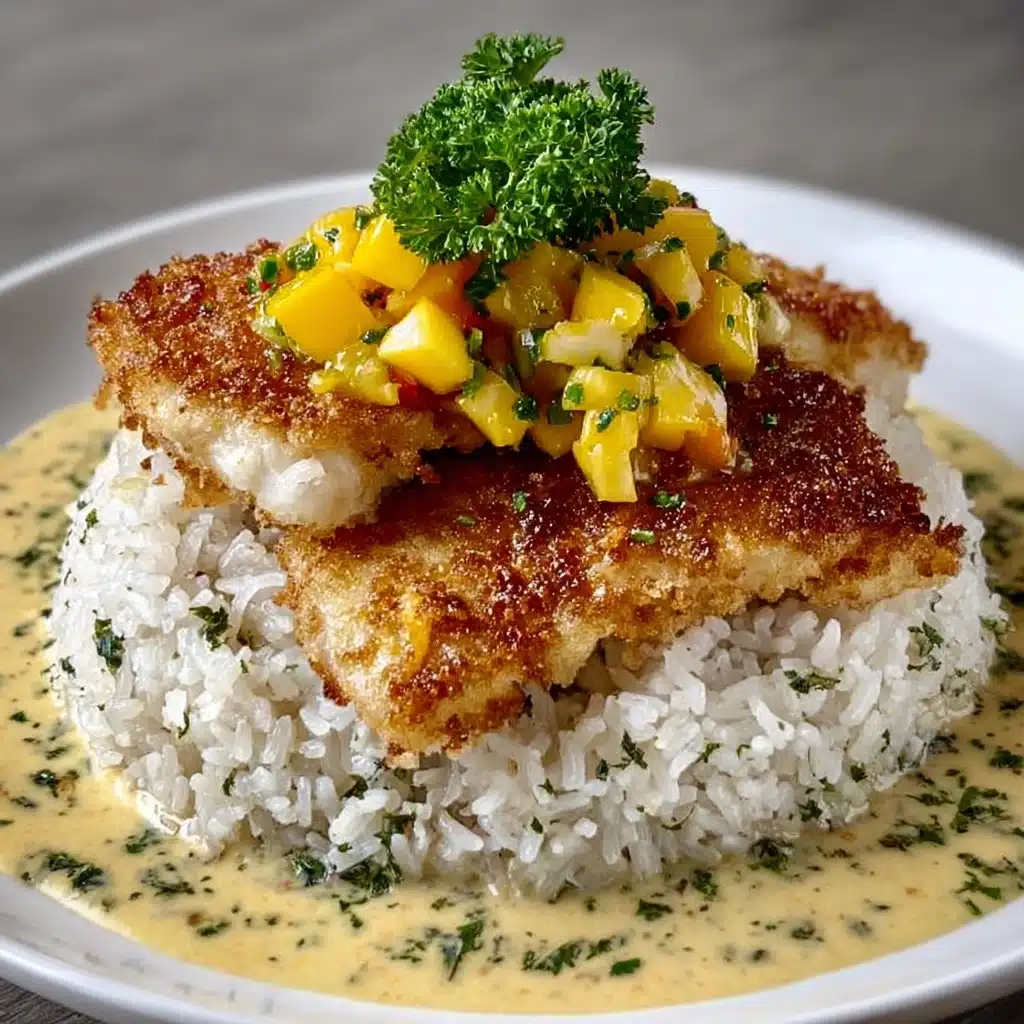
If you’re looking for a dish that bursts with tropical freshness and vibrant flavors, you absolutely must try this Coconut Lime Fish with Mango Salsa. It’s a delightful combination of tender, flaky white fish simmered in creamy coconut and zesty lime, paired with a bright and fruity mango salsa that brings a perfect balance of sweet, spicy, and tangy notes. Whether it’s an easy weeknight dinner or a special weekend meal, this recipe feels like sunshine on a plate every single time.
Ingredients You’ll Need
Every ingredient in this Coconut Lime Fish with Mango Salsa is simple but essential, working together to create an irresistible harmony of taste, texture, and color. From the creamy coconut milk to the zingy lime and the juicy mango, each component plays its part perfectly.
- 4 white fish fillets (tilapia, cod, or mahi-mahi): Choose fresh, firm-fleshed fish for the best flaky texture.
- 2 tbsp olive oil or coconut oil: Adds richness and helps the fish brown beautifully.
- 1/2 tsp salt: Enhances all the flavors in the fish and salsa.
- 1/4 tsp black pepper: Provides a subtle spicy note without overpowering.
- Zest of 1 lime: Delivers a fragrant citrus punch to brighten the dish.
- Juice of 1 lime: Balances richness with refreshing acidity.
- 1/4 cup coconut milk: Gives the fish a silky, tropical creaminess.
- 1 ripe mango, diced: The star of the salsa — sweet and juicy for perfect contrast.
- 1/4 red onion, finely chopped: Adds crunch and a mild sharpness.
- 1/2 red bell pepper, diced: For color and a touch of sweetness.
- 1 small jalapeño, seeded and minced (optional): Brings heat that wakes up your taste buds.
- 1 tbsp fresh cilantro, chopped: Infuses a fresh herbal note.
- 1 tbsp lime juice: Brightens and ties all salsa flavors together.
- Pinch of salt: Balances the mango salsa perfectly.
How to Make Coconut Lime Fish with Mango Salsa
Step 1: Prepare the Mango Salsa
Start by combining your diced mango, finely chopped red onion, red bell pepper, and minced jalapeño in a bowl. Add in fresh cilantro, lime juice, and just a pinch of salt. Mix everything gently but well, then pop the salsa into the refrigerator to chill. This resting time lets the flavors meld and really come alive, making your salsa fresh, tangy, and vibrant when it’s time to serve.
Step 2: Cook the Fish
Pat your fish fillets dry with paper towels—this is crucial for getting a good sear. Season them evenly with salt, black pepper, and the aromatic lime zest. Heat your choice of olive or coconut oil in a skillet over medium heat, then carefully lay down the fillets. Cook each side for about 3 to 4 minutes, depending on thickness, until the fish turns opaque and flakes easily. In the final minute, drizzle the coconut milk and lime juice over the fillets. This step lets the creamy, zesty sauce warm gently and coat the fish, adding an extra layer of tropical flavor and moisture.
Step 3: Serve
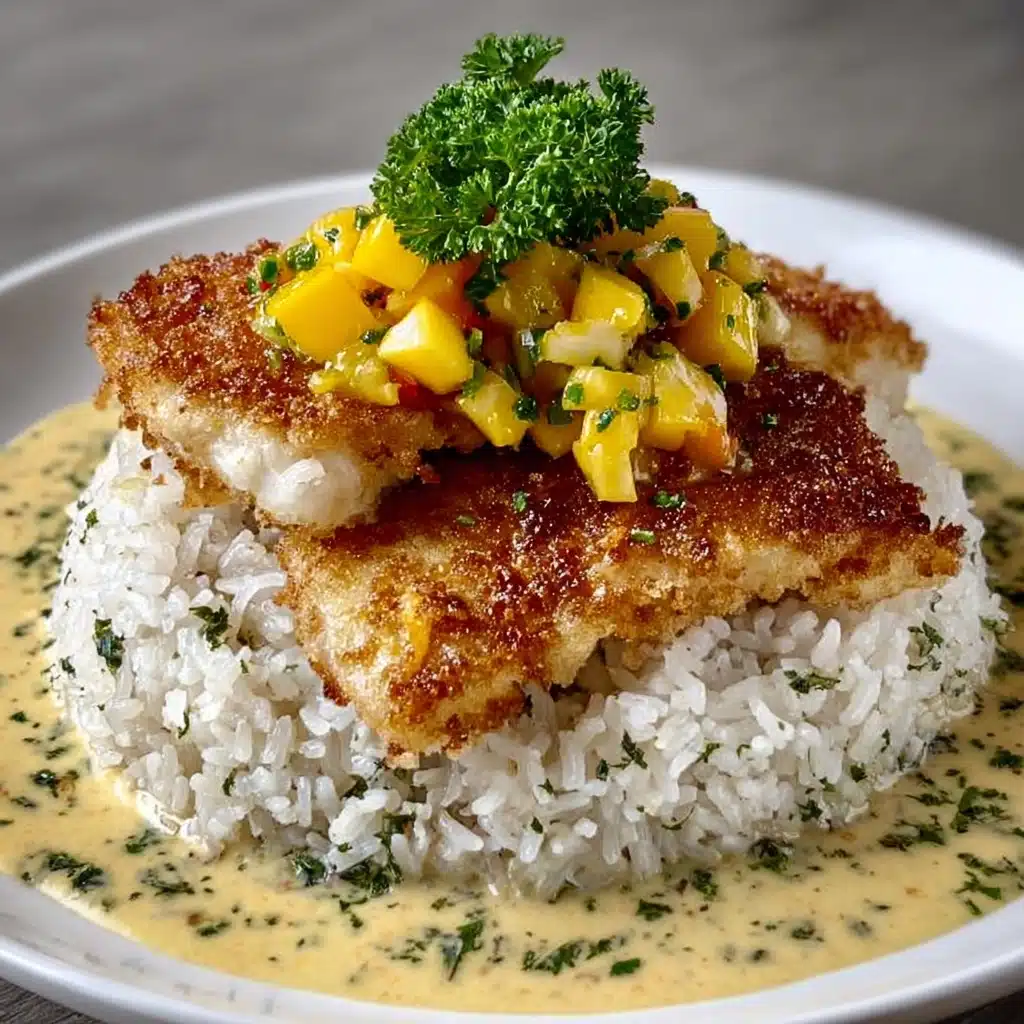
Plate your perfectly cooked fish fillets and spoon generous amounts of that chilled mango salsa on top. The warm fish contrasted with the cool, fruity salsa creates an irresistible taste sensation. Consider adding sides like steamed rice, fluffy quinoa, or a crisp green salad for a complete, fresh meal that’s as pleasing to the eye as it is to your appetite.
How to Serve Coconut Lime Fish with Mango Salsa
Garnishes
A sprinkle of freshly chopped cilantro or extra lime zest over the plated fish can brighten the presentation and enhance the citrus notes. If you love a bit of kick, thin slices of fresh jalapeño or a drizzle of chili oil can amp up the heat beautifully.
Side Dishes
This dish pairs wonderfully with light, simple sides that soak up the luscious flavors. Think fluffy jasmine rice, coconut-infused quinoa, or even a crunchy cabbage slaw. Each brings its own texture and subtlety to complement the bold flavors of the fish and salsa.
Creative Ways to Present
For a stunning dinner party presentation, serve the fish fillets on individual banana leaves or a bed of fresh greens. You can also tuck the fish and salsa into warm tortillas for a tropical fish taco twist. Layering the mango salsa atop the fish in clear glass bowls makes for a colorful, inviting display that’s sure to impress.
Make Ahead and Storage
Storing Leftovers
Keep any leftover Coconut Lime Fish with Mango Salsa in an airtight container in the refrigerator for up to two days. Store the mango salsa separately to maintain its freshness and texture.
Freezing
It’s best not to freeze the mango salsa, as the fruit’s texture changes with freezing. However, you can freeze the cooked fish wrapped tightly in foil or plastic wrap for up to one month. Thaw it slowly in the fridge before reheating.
Reheating
Reheat the fish gently in a skillet over low heat to avoid drying it out. Add a splash of coconut milk or lime juice to keep it moist. Serve with fresh mango salsa straight from the fridge to enjoy that bright contrast every time.
FAQs
Can I use other types of fish for this recipe?
Absolutely! White, firm-fleshed fish like tilapia, cod, mahi-mahi, or even snapper work wonderfully. Just adjust cooking time based on thickness.
How spicy is the mango salsa?
The salsa’s heat level depends on whether you include the jalapeño and how much you add. For a milder salsa, skip the jalapeño or remove all the seeds before chopping.
Can I prepare the salsa in advance?
Yes, preparing the salsa a few hours ahead allows the flavors to meld beautifully. Just keep it chilled and add fresh cilantro just before serving for best taste.
Is coconut milk necessary in the fish sauce?
The coconut milk adds a creamy texture and mild sweetness that balances the lime’s acidity. You can substitute with heavy cream if needed, but coconut milk really brings that tropical vibe.
What’s the best way to serve this dish for kids?
Serve the fish plain or with just diced mango to start, then add the salsa with jalapeño on the side so kids can enjoy it at their own spice level.
Final Thoughts
This Coconut Lime Fish with Mango Salsa is one of those recipes that brings joy in every bite. Its vibrant colors, fresh flavors, and easy preparation make it a fantastic go-to for sharing with friends or family. I can’t encourage you enough to try it out—you’ll be surprised how something so simple can taste so sensational and transport your taste buds straight to a tropical paradise.