Pour the cassava mixture into the prepared baking dish, spreading it out evenly with a spatula Recipe
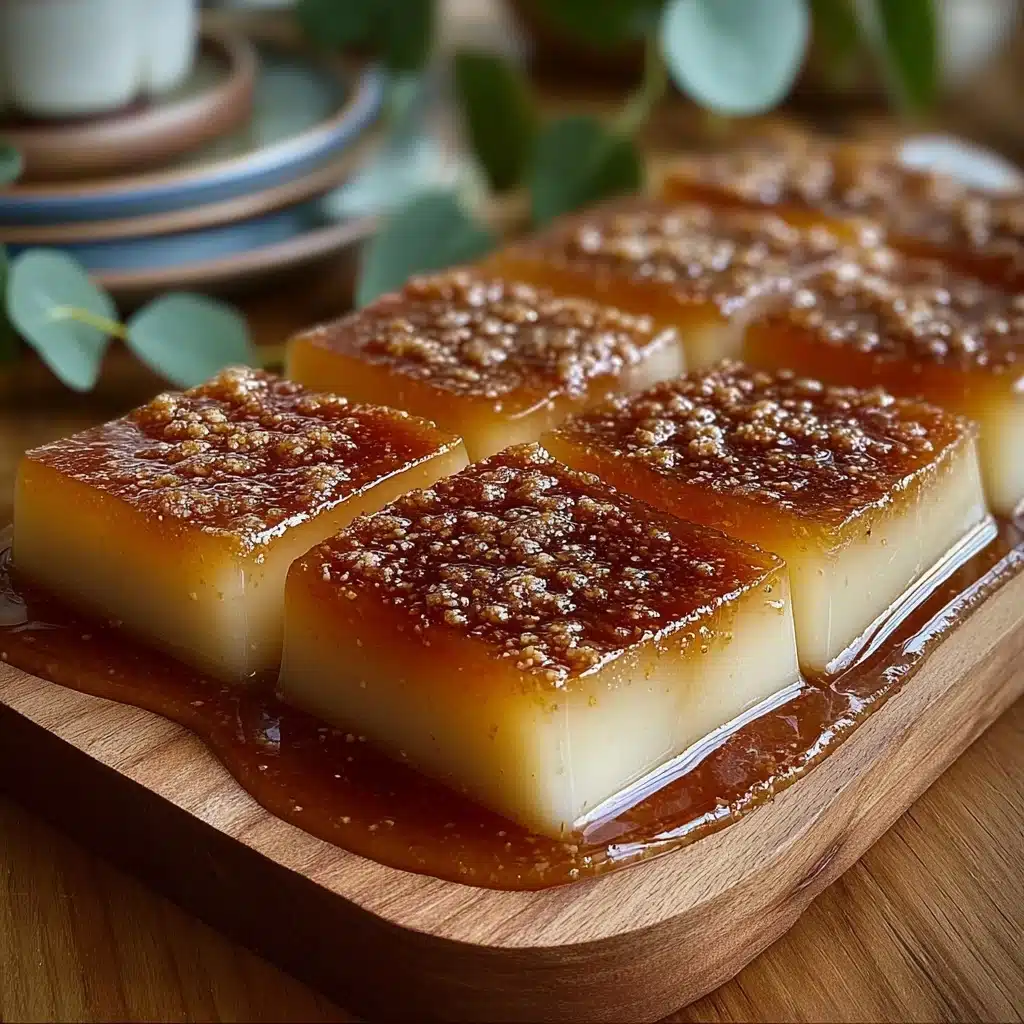
There is something utterly delightful about this traditional Filipino Cassava Cake with Macapuno, a treat that brings soft, creamy, tropical goodness to your table. The magic truly begins when you pour the cassava mixture into the prepared baking dish, spreading it out evenly with a spatula, ensuring every bite bakes to perfection with that gorgeous golden crust and luscious macapuno bits throughout. This cake beautifully balances the earthiness of cassava with the rich sweetness of coconut milk and condensed milk, creating a dessert that feels both comforting and exciting with every forkful.
Ingredients You’ll Need
Gathering these simple but essential ingredients is the first step to creating a cake with the perfect harmony of flavors and textures. Each component plays a key role, from the creamy condensation of milks to the soft chew of macapuno, resulting in that unforgettable cassava cake experience.
- Grated cassava (2 cups): Fresh or frozen (thawed) cassava provides the chewy, starchy base that defines this cake’s texture.
- Coconut milk (1 can – 14 oz): Adds rich, tropical creaminess that infuses the cake with authentic flavor.
- Evaporated milk (1 can – 12 oz): Balances sweetness and adds a smooth, silky finish.
- Condensed milk (1 cup): The sweet heart of the recipe, lending luscious sweetness and body.
- Eggs (2 large): They bind everything together and give the cake its comforting structure.
- Sugar (1/2 cup): Adds a touch of sweetness that amplifies the tropical notes.
- Butter, melted (1/4 cup): Introduces richness and moisture for a tender crumb.
- Vanilla extract (1 tsp): Brings warmth and aromatic depth to the flavor profile.
- Salt (1/4 tsp): Just enough to enhance and balance the sweetness.
- Macapuno (1 cup): The sweetened coconut sport adds irresistible chewy bites throughout the cake.
- Shredded coconut (1/2 cup, optional): A crispy, nutty topping for extra texture and tropical flair.
How to Make Pour the cassava mixture into the prepared baking dish, spreading it out evenly with a spatula
Step 1: Preheat and Prepare Your Baking Dish
Start by heating your oven to 350°F (175°C), a perfect moderate temperature for this cassava cake to bake evenly. Grease a 9-inch baking dish generously with butter or cooking spray—this ensures the cake won’t stick and makes serving a breeze later on.
Step 2: Mix the Cassava Base
In a large bowl, toss together grated cassava, coconut milk, evaporated milk, condensed milk, eggs, sugar, melted butter, vanilla extract, and salt. This mix is where all the creamy, rich flavors come together. Stir well until you get a smooth, uniform batter, making sure the shredded cassava is evenly coated with all the milky goodness.
Step 3: Incorporate the Macapuno
Fold in the macapuno gently but thoroughly so those sticky, sweet coconut sports are nestled throughout the mixture in every bite. This unique ingredient is one of the star players, offering an incredible chewy texture amidst the softness.
Step 4: Pour the cassava mixture into the prepared baking dish, spreading it out evenly with a spatula
Now comes the fun part: pour the cassava mixture into your prepared baking dish, spreading it out evenly with a spatula. This step is crucial to ensure the cake cooks consistently and develops that delectable golden top. Take your time to smooth it out for an even bake.
Step 5: Bake Until Golden and Set
Bake the cassava cake in your preheated oven for 45 to 60 minutes. You’ll notice the edges browning beautifully and the top turning a golden hue. Insert a toothpick into the center—if it comes out clean, you’re set! If you want that extra coconut crunch, sprinkle shredded coconut on top for the last 10 to 15 minutes of baking.
Step 6: Cool and Slice
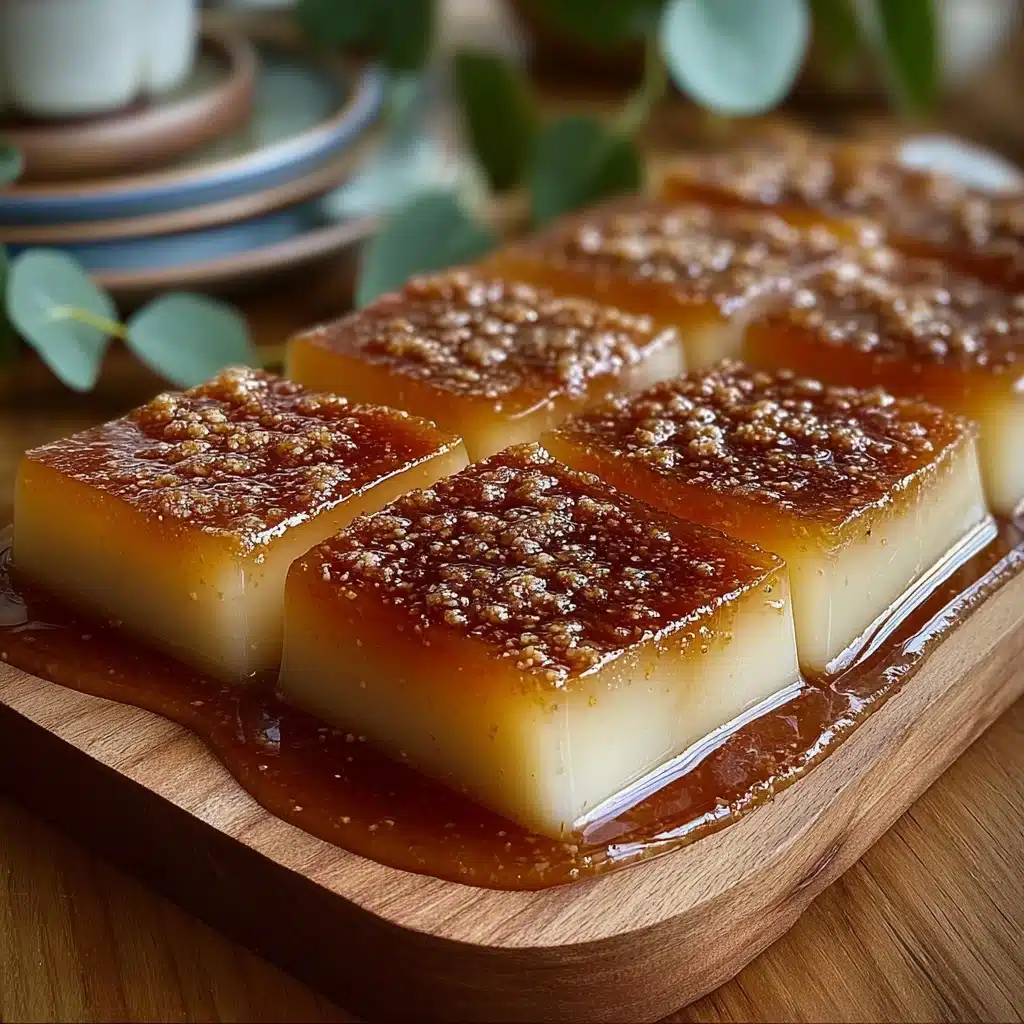
Once baked, let the cake cool completely to room temperature. This resting time helps it firm up, making it easier to cut into neat squares or rectangles. The result is a moist yet sturdy cake packed with coconut flavors and sweet macapuno surprises.
How to Serve Pour the cassava mixture into the prepared baking dish, spreading it out evenly with a spatula
Garnishes
To elevate your cassava cake further, sprinkle toasted shredded coconut or a handful of chopped nuts on top. A light drizzle of coconut cream or a dusting of powdered sugar can add an elegant touch. These little accents bring contrast in texture and a visual hint of the tropical flavors inside.
Side Dishes
This cassava cake pairs beautifully with fresh fruit like ripe mango slices or a scoop of vanilla ice cream. The creamy coolness complements the warm, dense cake perfectly. For a traditional vibe, enjoy it alongside a cup of strong black coffee or hot tea, enhancing the experience with a balancing bitterness.
Creative Ways to Present
Try serving your cassava cake in small ramekins or muffin tins for individual portions. Layer it with slices of macapuno or coconut custard for a multi-textured dessert. You can also create a trifle-like presentation by layering cut cassava cake pieces with whipped cream and tropical fruit in a clear glass dish. It’s visually stunning and fun to eat.
Make Ahead and Storage
Storing Leftovers
Once cooled completely, place any leftover cassava cake in an airtight container and store it in the refrigerator. It will stay fresh for up to 4 days, making for an easy, ready-to-enjoy treat anytime you want a taste of tropical sweetness.
Freezing
If you want to keep it longer, wrap the cake tightly in plastic wrap and foil before freezing. It freezes well for up to 2 months. When ready to eat, thaw slowly in the fridge overnight to maintain its moist, creamy texture.
Reheating
Reheat chilled cassava cake slices gently in the microwave or oven. A quick 20-30 seconds in the microwave or 10 minutes at 300°F (150°C) in the oven will revive that freshly baked warmth without drying it out.
FAQs
Can I use frozen grated cassava for this recipe?
Absolutely! Just make sure to thaw the frozen cassava completely and drain any excess water before mixing to avoid a soggy batter.
What is macapuno, and can I substitute it?
Macapuno is a sweetened coconut sport with a soft, chewy texture unique to Filipino desserts. If you don’t have it, shredded young coconut meat or sweetened shredded coconut can be used, but it won’t have quite the same distinct chewiness.
Do I need to grease the baking dish?
Yes, greasing the baking dish is essential to prevent sticking and ensure your cake comes out cleanly and in perfect slices.
Can I make this into cupcakes or smaller portions?
Definitely! Pour the cassava mixture into muffin tins and bake for about 25-30 minutes, keeping an eye on the doneness with a toothpick. Individual servings make dessert time even more fun.
How do I know when the cassava cake is fully baked?
When the cake is golden brown on top and a toothpick inserted in the center comes out clean, your cassava cake is ready to come out of the oven.
Final Thoughts
This cassava cake recipe is a heartwarming journey into tropical flavors and textures. I can’t recommend enough how satisfying it is to pour the cassava mixture into the prepared baking dish, spreading it out evenly with a spatula and watch it transform into a golden, coconut-scented delight. Give it a try for your next dessert adventure — it’s truly a slice of sunshine on your plate.