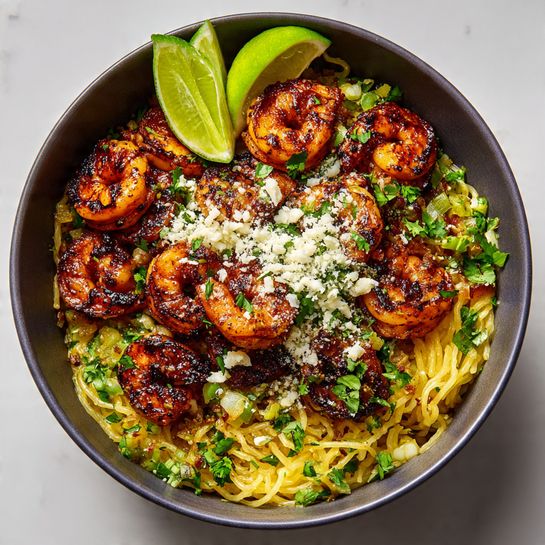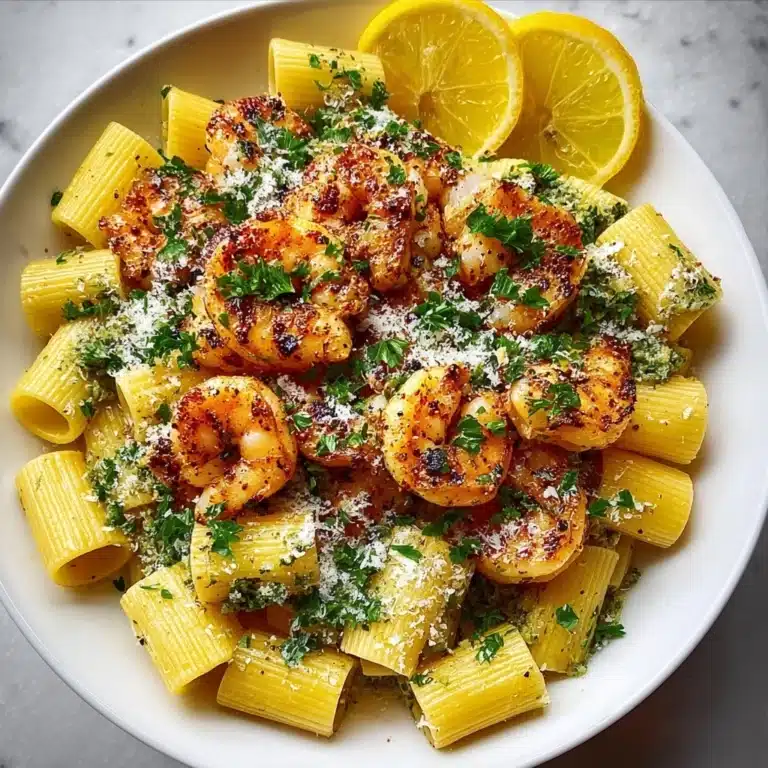
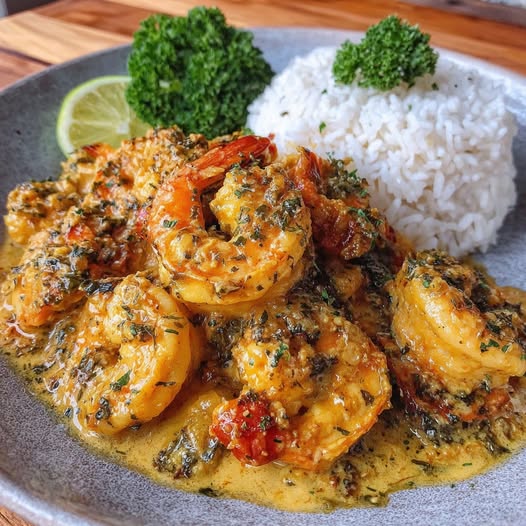
Coconut Curry Shrimp Recipe
If you’re craving a vibrant, flavorful dish that delivers a perfect balance of creamy, spicy, and fresh elements, then this Coconut Curry Shrimp is exactly what you need in your kitchen rotation. Bursting with the sweetness of coconut milk, the heat of red curry paste, and the brightness of fresh lime and herbs, this dish brings together simple ingredients to create an irresistible meal that feels both indulgent and nourishing. Whether you’re a seafood enthusiast or just looking for a wholesome dinner with a bit of exotic flair, this Coconut Curry Shrimp will quickly become a beloved favorite.
Ingredients You’ll Need
To make this Coconut Curry Shrimp, you’re going to rely on a handful of straightforward, easy-to-find ingredients that each bring their own magic to the final dish—whether it’s the silky texture of coconut milk or the vibrant crunch of fresh veggies.
- Large shrimp (1 lb / 450 g): Peeled and deveined for convenience and perfect flavor absorption.
- Vegetable oil (1 tablespoon): A neutral oil to gently cook your aromatics without overpowering the flavors.
- Small onion (1, finely chopped): Adds a subtle sweetness and depth when sautéed.
- Garlic (2 cloves, minced): Essential for that savory kick and aroma.
- Fresh ginger (1 tablespoon, grated): Provides a fresh, zesty warmth that complements the curry.
- Red curry paste (1–2 tablespoons): The spicy heart of the dish—adjust to your preferred heat level.
- Coconut milk (1 can, 14 oz / 400 ml): Creates a rich, creamy sauce that balances the spice beautifully.
- Fish sauce (1 tablespoon, optional): Adds a subtle umami depth—feel free to skip if you prefer.
- Sugar (1 teaspoon): Just a touch to round out the flavors and soften the heat.
- Red bell pepper (1, sliced): For color, crunch, and a hint of sweetness.
- Snap peas or green beans (1 cup): Choose your favorite green veggie for a crisp texture.
- Lime juice (juice of 1 lime): A bright, tangy finish that lifts the dish.
- Fresh cilantro (chopped): Garnish that adds freshness and that signature herbaceous note.
- Cooked rice: To serve alongside and soak up all that delicious curry sauce.
How to Make Coconut Curry Shrimp
Step 1: Prepare the shrimp
Start by patting your shrimp dry with paper towels—this helps them sear nicely instead of steaming in the pan. Set them aside while you prepare your aromatics. It’s a simple but key step for getting the best texture on your shrimp.
Step 2: Cook the aromatics
Heat the vegetable oil in a large skillet or wok over medium heat. Add the chopped onion, garlic, and grated ginger. Sauté for 2 to 3 minutes until everything is fragrant and softened. This forms the flavorful foundation of your curry, so take a moment to enjoy the wonderful smells coming from your kitchen!
Step 3: Add the red curry paste
Stir in the red curry paste and cook it for about one minute to release its complex flavors. This step intensifies the heat and aroma, making the dish truly come to life. Adjust the amount of curry paste here if you like it milder or hotter.
Step 4: Pour in coconut milk and season
Next, add the coconut milk, fish sauce (if using), and sugar. Stir everything well and bring it to a gentle simmer. The coconut milk turns this into a luxuriously creamy curry sauce that perfectly balances the bold spices.
Step 5: Cook the vegetables
Add the sliced red bell pepper and snap peas or green beans. Let them simmer for 3 to 4 minutes until they are tender but still retain a pleasant crispness. These vibrant veggies add great texture and brighten up the dish visually and flavor-wise.
Step 6: Add and cook the shrimp
Toss the shrimp into the curry and cook for 2 to 3 minutes until they turn pink and are just cooked through. The shrimp soak up all those lovely spices and creamy coconut sauce, so they become juicy little flavor bombs.
Step 7: Finish with lime and garnish
Finally, stir in the fresh lime juice to add a fresh tang that cuts through the richness. Taste and adjust seasoning with a pinch of salt if needed, then sprinkle generously with chopped cilantro. Serve your Coconut Curry Shrimp piping hot over fluffy cooked rice and prepare to savor every bite.
How to Serve Coconut Curry Shrimp
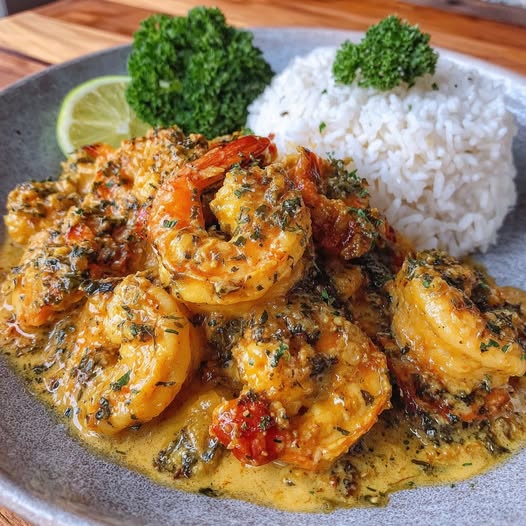
Garnishes
Fresh cilantro is a classic, but you can also add thinly sliced fresh red chili for an extra kick or a sprinkle of toasted coconut flakes for texture contrast. A wedge of lime on the side invites everyone to add more brightness to their liking.
Side Dishes
Steamed jasmine or basmati rice is ideal for soaking up that luscious coconut curry sauce. For added variety, try serving with quinoa or even cauliflower rice for a lighter option. A side of crisp cucumber salad provides a cooling balance to the warming spices of the dish.
Creative Ways to Present
For a fun twist, serve the Coconut Curry Shrimp in individual coconut shells or over coconut-infused rice for an enhanced tropical feel. You could also turn it into a vibrant rice bowl with fresh herbs, pickled vegetables, and a drizzle of your favorite chili sauce to elevate the experience.
Make Ahead and Storage
Storing Leftovers
Once cooled, store your leftover Coconut Curry Shrimp in an airtight container in the refrigerator for up to three days. The flavors will deepen as it rests, so leftovers taste great reheated.
Freezing
This dish freezes well but since shrimp can become a bit rubbery, it’s best to freeze the curry sauce and vegetables separately from the shrimp, adding cooked shrimp back after reheating. Use freezer-safe containers and consume within two months for the best quality.
Reheating
Reheat gently on the stovetop over low-medium heat, stirring often to prevent scorching. If frozen, thaw overnight in the fridge first. Add a splash of water or coconut milk if the sauce seems too thick after reheating.
FAQs
Can I use frozen shrimp for Coconut Curry Shrimp?
Yes, frozen shrimp works well as long as you thaw and pat them dry before cooking. This ensures they cook evenly and achieve the best texture.
How spicy is Coconut Curry Shrimp?
The heat depends on the amount of red curry paste you use. Start with one tablespoon and add more to taste if you like things hotter. Remember, the coconut milk helps mellow out the spice.
Is fish sauce necessary in this recipe?
Fish sauce adds a savory, umami depth that elevates the curry’s flavor, but it is optional. If you prefer not to use it, simply leave it out or substitute with soy sauce for a vegetarian twist.
Can I make this dish vegetarian or vegan?
Absolutely! Substitute shrimp with tofu or vegetables like cauliflower and chickpeas, and use soy sauce instead of fish sauce for a delicious vegan version of Coconut Curry Shrimp.
What can I use instead of red curry paste?
If red curry paste is unavailable, yellow or green curry paste can work as alternatives, though the flavor profile will shift slightly. You can also make your own curry paste with spices, garlic, ginger, and chili if you enjoy a kitchen adventure.
Final Thoughts
Making this Coconut Curry Shrimp is like inviting warm, vibrant flavors to dance on your plate with every bite. It’s a recipe you can confidently whip up any night of the week that promises satisfaction without fuss. Give it a try, share it with someone special, and watch how quickly it becomes a staple you return to again and again.